AI, Philosophy, and Psychedelics
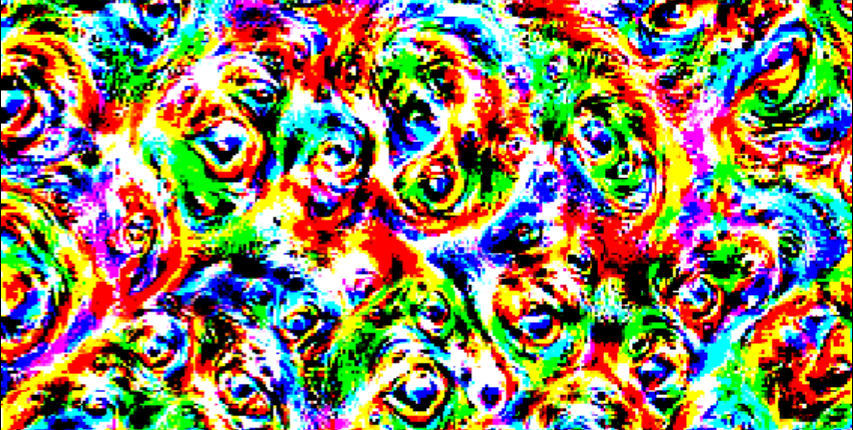
I have always loved the philosophy of mind. As soon as you start digging into it, you realize how little we know about the most basic aspects of our experience of being alive. We look through lenses at a world that we have been able to understand deeply (relatively speaking, of course). We have been able to develop physical, economic, social, and mathematical theories... And without going any further, we are able to control our bodies as if it were nothing. You just ask it to grab the glass in front of you, and your neurons, joints, and muscles begin a spectacular choreography that responds perfectly to your commands. And yet, we still know practically nothing about those lenses and, worse still, about the implications they have.
Psychedelics are a great tool for this exploration, mainly because of the capacity for experimentation they provide. Through them, you can discover variables that you wouldn't have even imagined existed.
On the other hand, in recent years we have seen the exponential advancement of AI. And although there have been certain philosophical debates, primarily about whether they themselves could develop consciousness, it seems to me that they rely too much on the idea we have of what AI should be in the future, rather than what already exists today.
To briefly mention an example that I find quite spectacular: for those who don't know, a large part of AIs are composed (at least in part) of networks of "neurons" communicating with each other. Each one within the network has a certain function, even if we don't know exactly what it is. For example, in a model that recognizes whether an image is a dog or a cat, one neuron might be dedicated to detecting eyes in the image, another ears, etc.
The thing is, we can search for the image that most saturates a specific neuron, and that's how these types of images emerge:
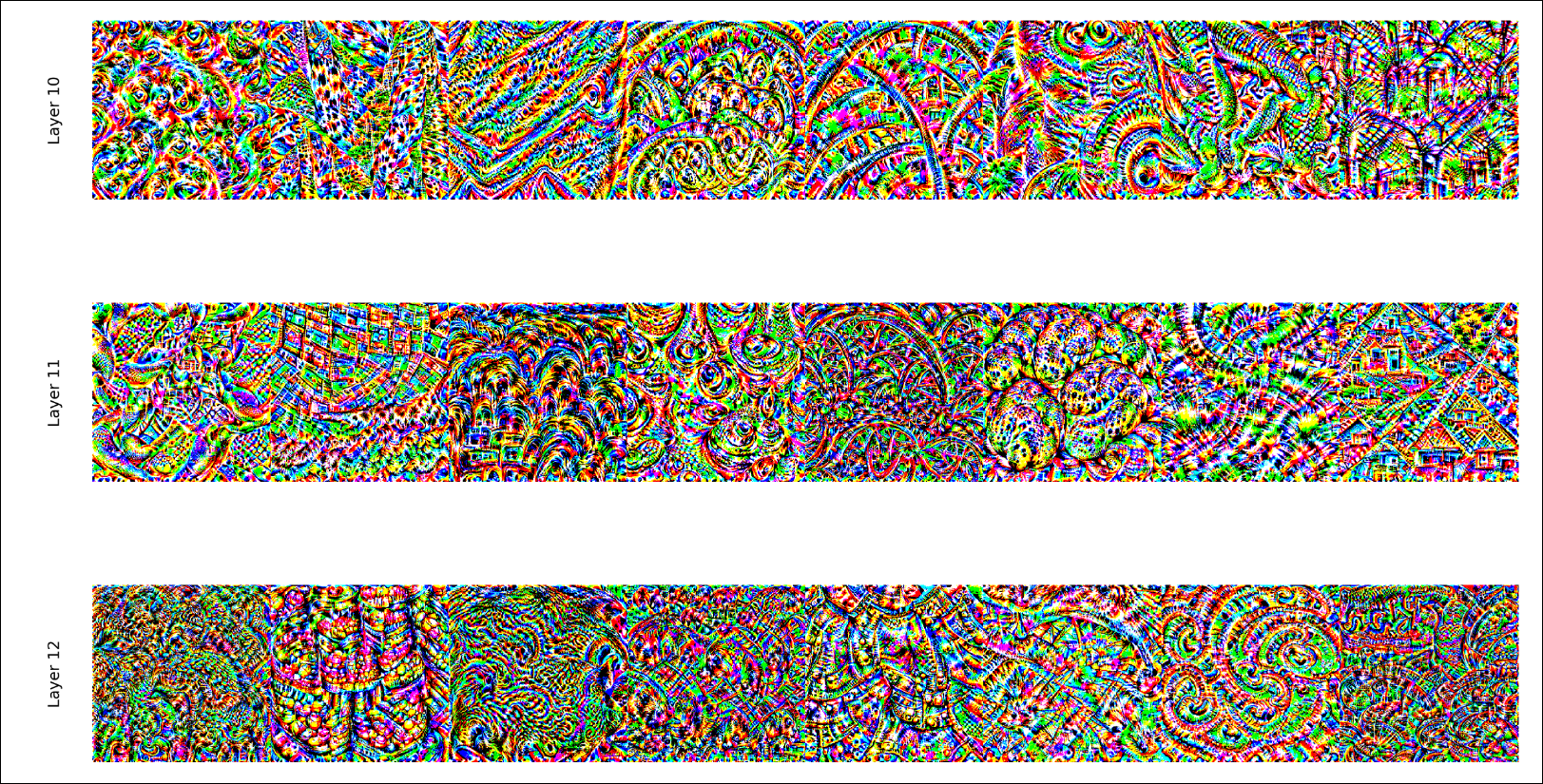
If you haven't seen this before, what probably surprises you the most is the similarity to hallucinogenic visuals. But the connection is deeper than you might think at first glance.
If you realize how we created the image, this would be equivalent to opening the AI's brain and delivering a shock to that particular neuron, thus making the computer "see" that. And psychedelics work in the exact same way. They facilitate neural connections, allowing discharges in your brain that make you see those kinds of images.
That's right, that thing you might have heard about AIs hallucinating is literal. They follow the same process as a living being consuming hallucinogens.
This might say a lot about the computer, but I find what it says about the brain much more interesting.
I hope this example, just as it did for me, has sparked your curiosity on the subject and made you see the profound and very valuable connection these three topics share. I intend to share here, through other blog posts, more ideas and reflections that I develop about this. I would appreciate it if you could also comment yours and share related sources of information if you know any.